For busy homeowners balancing work, family, and a long to-do list, annual home maintenance often slips until something breaks. The hard part is that many problems stay quiet at first, so the importance of home upkeep is easy to underestimate until small wear turns into costly home repairs. A once-a-year walkthrough makes preventative home care feel manageable by creating a simple routine that catches issues early and keeps priorities clear. Done consistently, it protects the home’s comfort, safety, and value with fewer surprises.
Quick Summary of Annual Must-Do Tasks
- Clean gutters to prevent water damage and keep drainage flowing properly.
- Schedule a chimney inspection to catch hazards early and protect safe fireplace use.
- Test smoke detectors to ensure reliable alerts and replace batteries as needed.
- Arrange a pest inspection to spot infestations early and reduce costly repairs.
- Maintain the HVAC system to improve efficiency, support comfort, and avoid breakdowns.
Schedule Your Yearly HVAC Check and Handle Fixes Confidently
Once you’ve picked your top annual priorities, make one of them a yearly HVAC inspection so your home stays comfortable in every season.
Schedule a professional checkup and follow through on any repairs the technician recommends to keep heating and cooling running efficiently year-round. It’s also a good time to address common fixes you might hear about, like worn components or parts that aren’t operating as they should. If you need to order HVAC replacement parts, stick with reputable suppliers, so you’re getting quality, durable, compatible components. Many homeowners start by seeing the full page of options to identify the right category of parts. Next, you’ll walk through step-by-step checks you can do around your home to stay ahead of issues.
How to Do a Full Annual Home Check in an Afternoon
These hands-on checks help you catch water, fire, air leaks, and pest problems early, when they are cheaper and easier to fix. Set aside a couple of hours, grab a flashlight and gloves, and work through the steps in order so nothing gets missed.
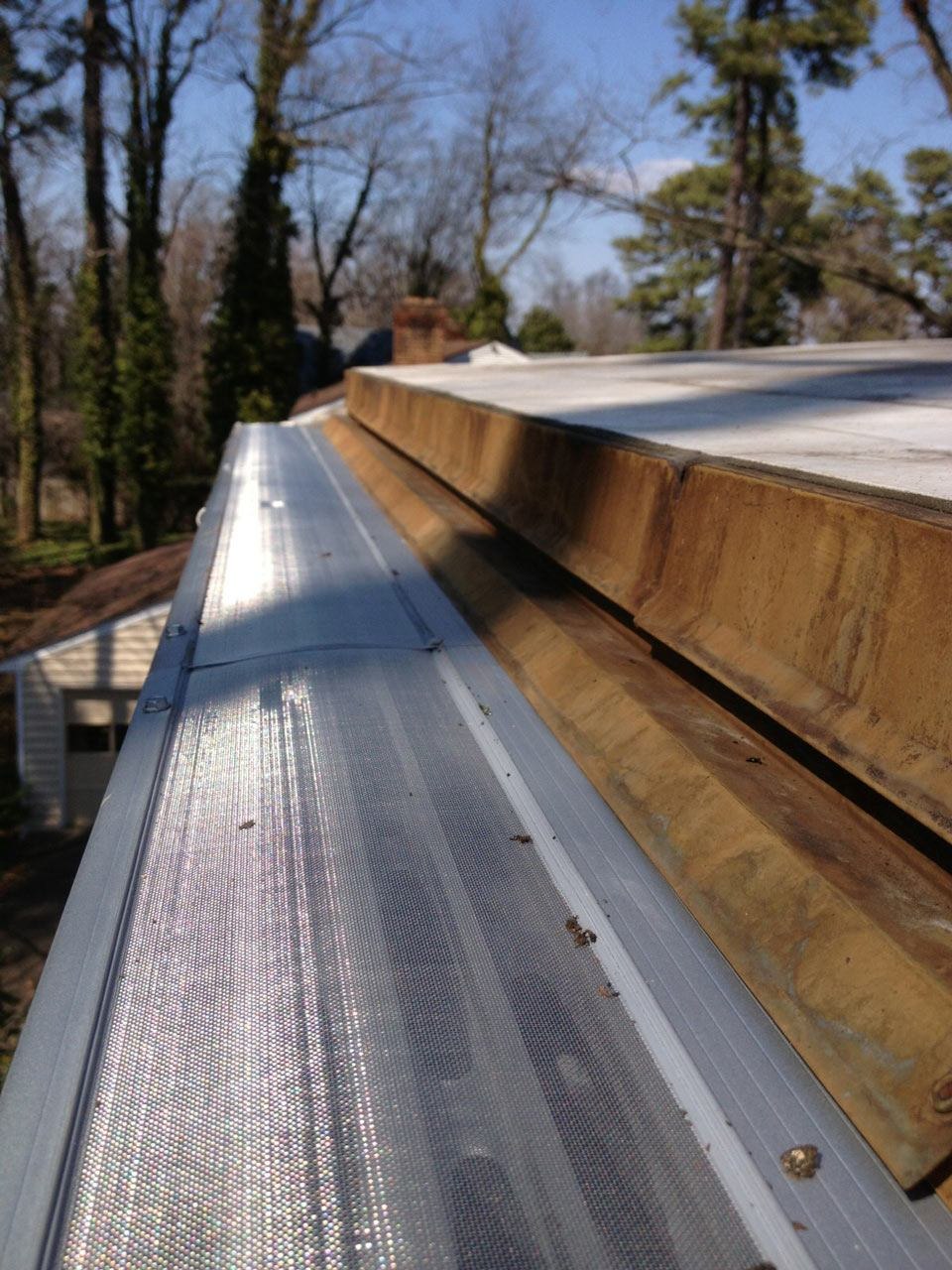
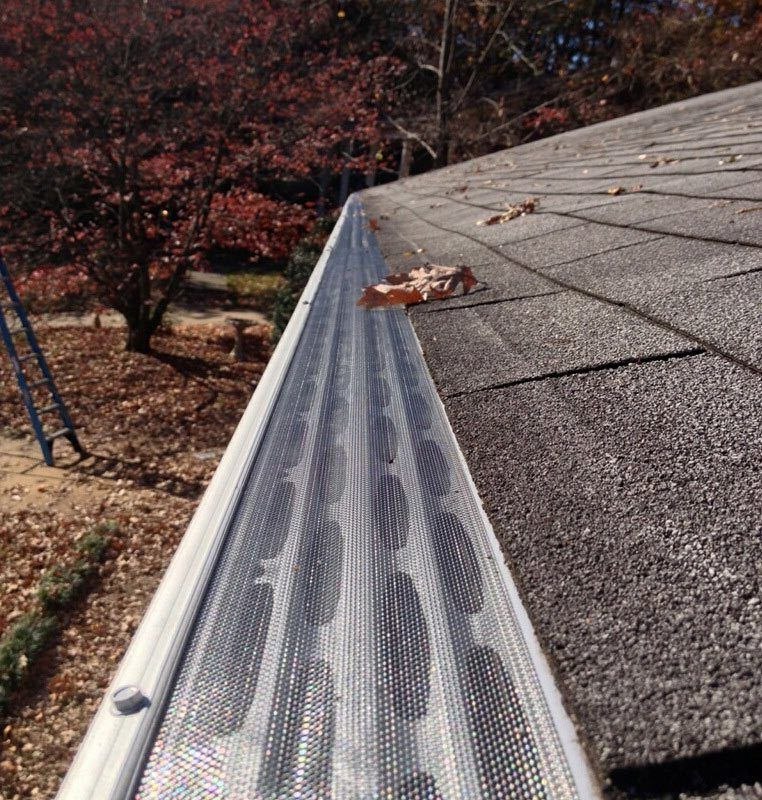
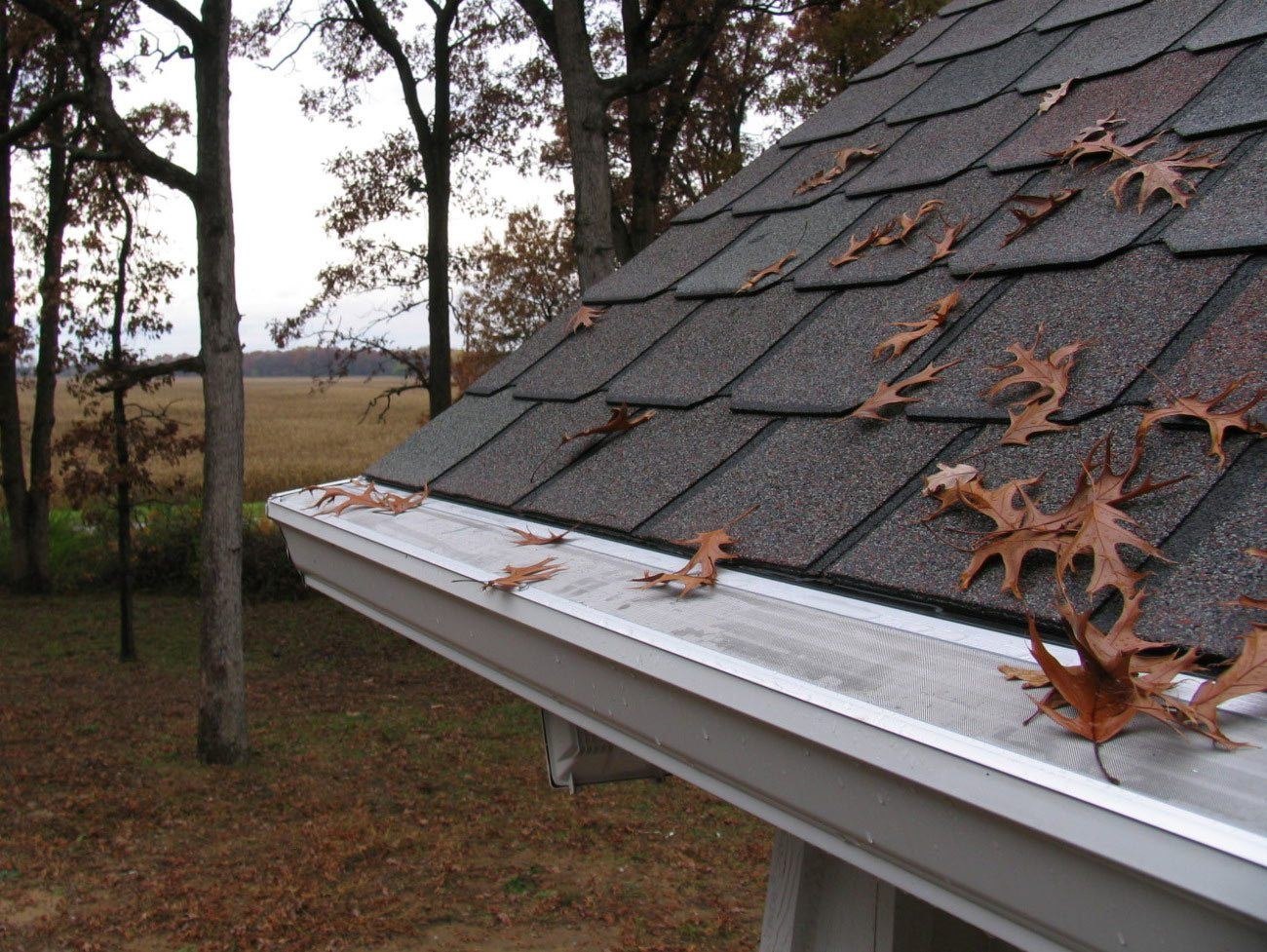
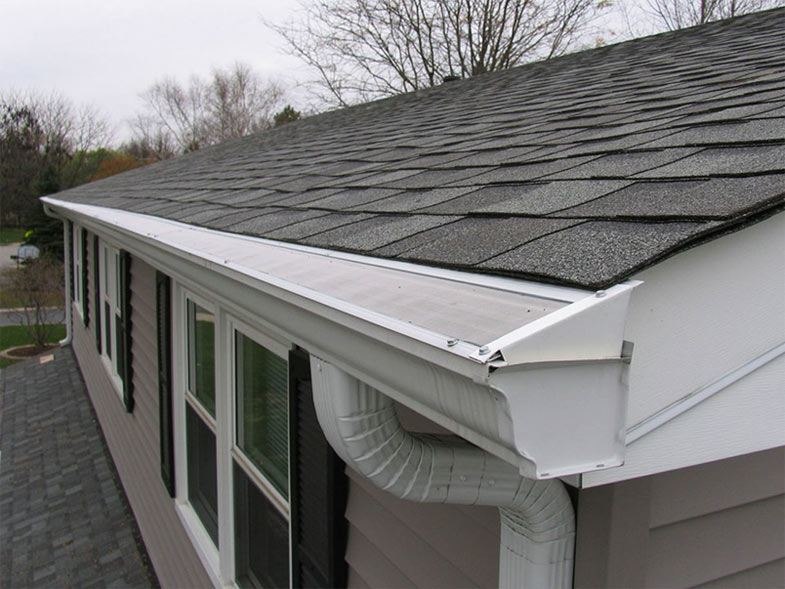
Step 1: Clear gutters and confirm drainage
Start by scooping out leaves and debris, then flush each downspout with a hose to confirm water runs freely. Finish by checking the ground below for pooling water or splash-back stains, since overflowing gutters can lead to wet basements and damaged siding.
Step 2: Prep your fireplace and chimney for a safe inspection
Shut down any fires for at least 24 hours, remove loose ash, and clear the hearth area so a pro can access everything quickly. With a flashlight, look for obvious issues you can describe when scheduling, like crumbling brick, white staining, or a strong smoky odor that lingers.
Step 3: Test alarms and replace batteries on the spot
Press the test button on each unit and confirm you can hear it from bedrooms and main living areas, then replace batteries right away if the sound is weak or inconsistent. A simple annual routine to test smoke detectors and confirm your carbon monoxide detectors work properly adds a big layer of everyday safety.
Step 4: Do a quick pest scan from bottom to top
Start in the basement or crawl space and work upward, scanning for droppings, gnaw marks, small holes, and mud tubes along walls and foundations. Focus on dark, quiet zones and storage areas, since it is easiest to inspect for termites, rodents, or other pests before a small problem spreads.
Step 5: Trim back plants and hunt for drafts and leaks
Cut shrubs and tree limbs back from the roof, siding, and windows to reduce rubbing damage and keep moisture from staying trapped against the house. Then, on a breezy day, run your hand around door frames, window edges, and attic hatches, and look for damp spots under sinks to spot drafts and slow leaks worth sealing.
A steady annual routine like this keeps small fixes from turning into weekend emergencies.
Annual Maintenance Quick-Check List
This quick list turns the inspection steps into a simple annual home maintenance checklist you can repeat every year. Use it to plan seasonal home tasks, stay on top of home safety checks, and spot energy efficiency tasks worth doing while you already have tools out.
✔ Clear gutters and confirm downspouts drain away from the foundation
✔ Schedule a chimney inspection after clearing ash and access paths
✔ Test smoke and carbon monoxide alarms and replace weak batteries immediately
✔ Scan basement, attic, and garage for droppings, holes, or wood damage
✔ Seal drafts at doors, windows, and attic hatches with weatherstripping
✔ Check under sinks and around toilets for slow drips or staining
✔ Set calendar reminders for spring and fall maintenance scheduling
Check these off once a year, and your home stays calmer, safer, and easier to manage.
Build a Yearly Maintenance Weekend to Keep Your Home Strong
Homeownership gets busy, and small issues can slide until they’re expensive, stressful emergencies. The way out is proactive home care: treat the quick checklist as a simple annual rhythm, not a one-time sprint, so regular maintenance benefits stack up quietly over time. When you keep up with it, your home runs more efficiently, surprises get smaller, and home longevity becomes the default instead of a gamble. Preventive repairs are cheaper than emergency fixes every single year. Choose one “maintenance weekend” date now and set a recurring reminder so you can keep moving without thinking about it. That habit protects comfort, safety, and peace of mind for the years you plan to live there.
Content provided by guest blogger Danny Knight who is passionate about sharing his experiences working on home improvement DIY projects. He is the co-owner of FixItDads.com, which shows off helpful do it yourself projects.